

- 01You must have been actually married for at least 3 years
- 02Suspicion of a sham marriage leads to refusal of the application
- 03Objection and court action are available against a refusal
Contents (6)
This is a translation of the Turkish text. If there is any difference, the Turkish text prevails.
1. Introduction: The Right to Citizenship by Marriage
Foreign nationals who marry a Turkish citizen have the right to acquire Turkish citizenship by marriage, provided they meet certain requirements. However, this right is not automatic and is subject to close scrutiny.
2. Requirements for a Citizenship Application
For the foreign spouse to be able to apply for Turkish citizenship:
- At Least 3 Years of Marriage: Being actually married for at least 3 years
- Actual Union: The marriage continuing as a genuine and actual union
- Family Unity: Living in family unity (aile birliği)
- No Security Obstacle: Not posing an obstacle in terms of national security and public order
- Clean Criminal Record: Having a clean criminal record (adli sicil)
- No Suspicion of a Sham Marriage: No suspicion that the marriage is a sham
3. The Application Process
Stage 1: Preliminary Review and File Preparation
Gathering the required documents, completing translation and notary procedures, and preparing a complete file.
Stage 2: Application to the Population Directorate (Nüfus Müdürlüğü) / Migration Administration (Göç İdaresi)
- The application petition is prepared
- The documents are submitted
- The file is sent to the Ministry of Interior (İçişleri Bakanlığı)
Stage 3: Security and Field Investigation
- Police / gendarmerie investigation
- Inquiries with neighbours and the surrounding community
- An actual visit to the home
- Separate questioning of the spouses (interview)
Stage 4: Commission Assessment
- Whether the marriage is genuine
- Whether the spouses live together
- Whether there are contradictory statements
Stage 5: Decision
- Approval → Citizenship is acquired
- Refusal → Objection and court action are available
4. The Interview Process
Typical Questions Asked
- Do you know your spouse's family?
- Where do you live together?
- What is your daily routine like?
- What is your spouse's occupation and income?
5. The Most Common Mistakes
- Not Submitting Evidence: Not submitting evidence even though the marriage is genuine
- Not Updating the Address: Not updating address records
- Living Apart: Applying while living apart
- Suspicious Statements: Making statements that make the marriage look like a sham
- Applying Without a Lawyer: Making an unchecked application without a lawyer
6. Objecting to a Refusal
If the citizenship application is refused:
- Reviewing the grounds for the refusal
- Filing an administrative objection
- Filing an action for annulment (iptal davası) before the administrative court (idare mahkemesi)
- Making a new application after remedying the deficiencies
What Does a Lawyer Do?
A family law attorney prepares the application file in full and prepares for the interview process. The attorney handles the objection and court proceedings against refusal decisions and protects the client's right to citizenship.
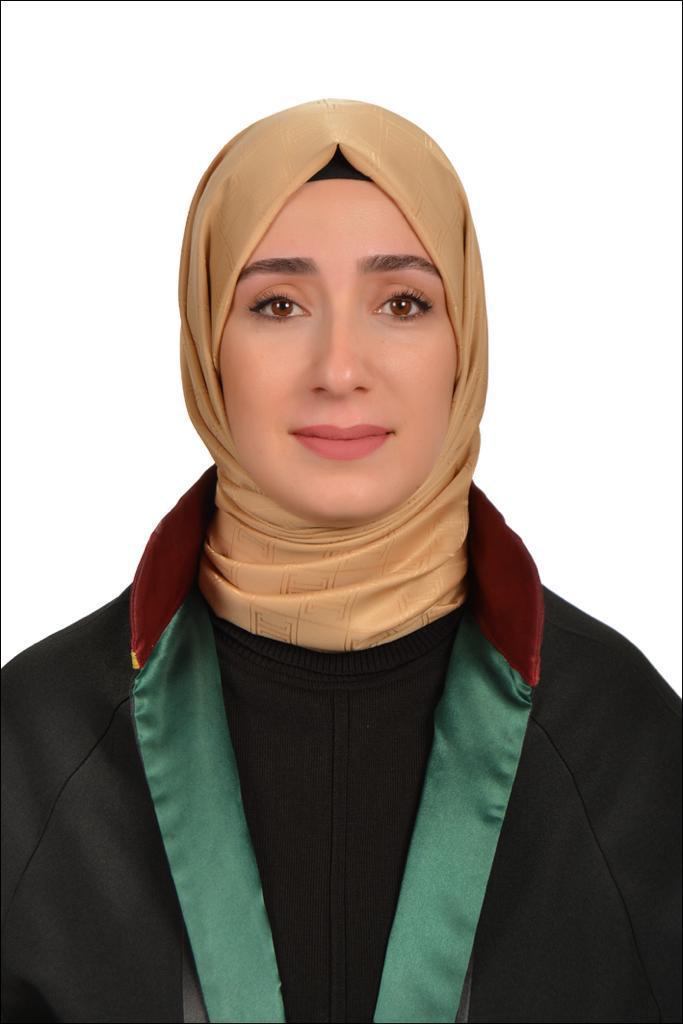
Written and reviewed by
Attorney Raşa Yardımcı
Founding attorney, graduate of Istanbul University Faculty of Law. Legal counsel in English, Turkish and Arabic.
About our officeThis article is for general information only and is not legal advice.